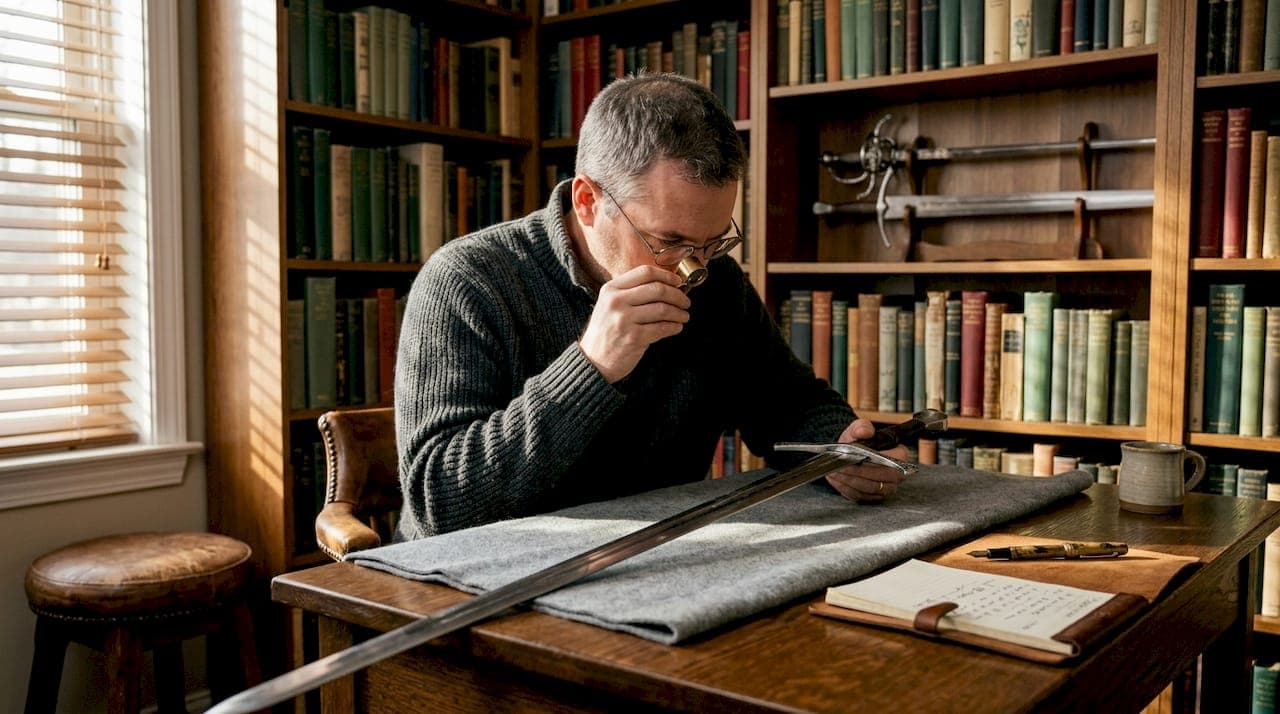
Walking into the world of medieval sword collecting feels thrilling until you realize how easy it is to overpay for a wall-hanger that warps after six months. The market is flooded with mass-produced blades that look great in photos but fall apart under scrutiny. Whether you're building a serious historical collection, gearing up for cosplay events, or hunting for the perfect gift for a sword enthusiast, knowing how to separate genuine craftsmanship from clever marketing is the skill that separates satisfied collectors from frustrated buyers.
Table of Contents
- Knowing what you want: types, purposes, and collecting goals
- Preparation: materials, craftsmanship, and authenticity markers
- Step-by-step shopping: where to buy, vetting sellers, and navigating listings
- Verification and after purchase: inspecting, displaying, and caring for your sword
- Why seasoned collectors avoid shortcuts and the hidden value of research
- Find your next medieval treasure at Top Swords
- Frequently asked questions
Key Takeaways
| Point | Details |
|---|---|
| Define your sword purpose | Identifying your sword’s main use will guide the buying process and prevent costly mistakes. |
| Material and craftsmanship matter | High-quality steel and handmade details are crucial for enduring value and authenticity. |
| Vetting sellers pays off | Investing time in researching shops ensures you avoid scams and receive genuine items. |
| Inspect meticulously after purchase | Careful inspection and proper maintenance will preserve your sword and satisfy your collecting goals. |
Knowing what you want: types, purposes, and collecting goals
Now that you know the stakes, let's start by clarifying what you actually want to buy. The medieval sword world is not monolithic. It spans a huge range of styles, periods, and intended uses, and walking in without a clear picture of what you need leads to mismatched purchases you'll regret.
The most popular categories among collectors and cosplay participants break down like this:
- Longswords: The iconic two-handed weapon of the high medieval period. Typically 40 to 48 inches in total length, these are prized for display and historical reenactment. Their weight and balance make them impressive centerpieces.
- Short swords: Easier to handle and display, these often appeal to newer collectors or those with limited display space. They work well for Renaissance fairs and casual cosplay.
- Daggers: Highly detailed and often exquisitely crafted, daggers are favorites among collectors who appreciate the artistry in a smaller blade. They double as gifts and display pieces.
- Fantasy replicas: Inspired by video games, films, and fiction, these swords lean toward creative design over strict historical accuracy. They're enormously popular in cosplay communities.
- Historical replicas: Modeled closely after documented medieval weapons, these are the go-to for history buffs and serious collectors who want authentic period specs.
Understanding your purpose matters just as much as knowing the style. The medieval sword styles available span everything from battle-ready replicas to purely decorative pieces, so matching the sword to its intended use saves both money and disappointment.
Here's a quick comparison to sharpen your focus:
| Sword type | Best for | Key feature | Typical use |
|---|---|---|---|
| Longsword | Serious collectors, reenactors | Length and balance | Display, reenactment |
| Short sword | Beginners, cosplayers | Manageable size | Cosplay, gifting |
| Dagger | Detail-oriented collectors | Intricate craftsmanship | Display, gifts |
| Fantasy replica | Cosplay, gaming fans | Creative design | Cosplay, display |
| Historical replica | History buffs | Period accuracy | Collection, display |
Pro Tip: If you're buying your first sword, choose a purpose before a style. A stunning longsword that doesn't fit your display space or cosplay outfit is money wasted, no matter how beautiful it is.
Preparation: materials, craftsmanship, and authenticity markers
Once your collecting goals are clear, focus on what determines quality and authenticity. This is where many buyers stumble because they underestimate how much the material and build process affect long-term satisfaction.
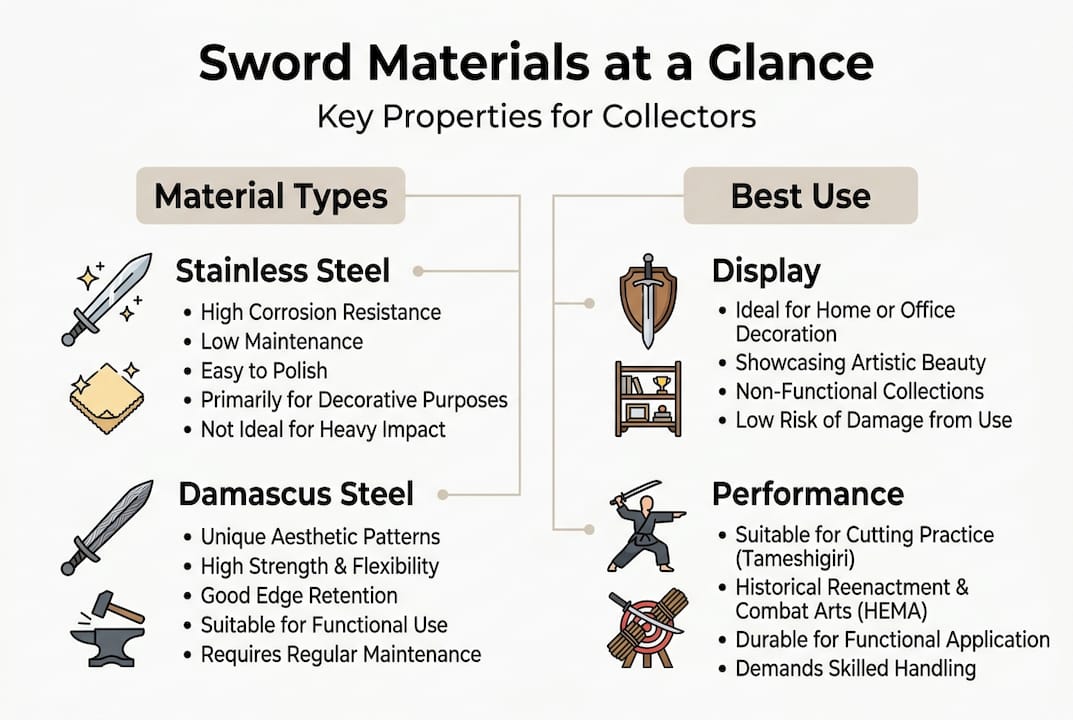
Steel matters more than most buyers realize. The two most common materials you'll encounter are stainless steel and Damascus steel, and they're not interchangeable.
Stainless steel is corrosion-resistant and relatively low maintenance, making it a practical choice for display swords and cosplay pieces. However, it tends to be more brittle than carbon steel variants, which can matter if you're handling the sword frequently. For decorative and cosplay use, stainless steel hits the sweet spot of affordability and visual appeal.
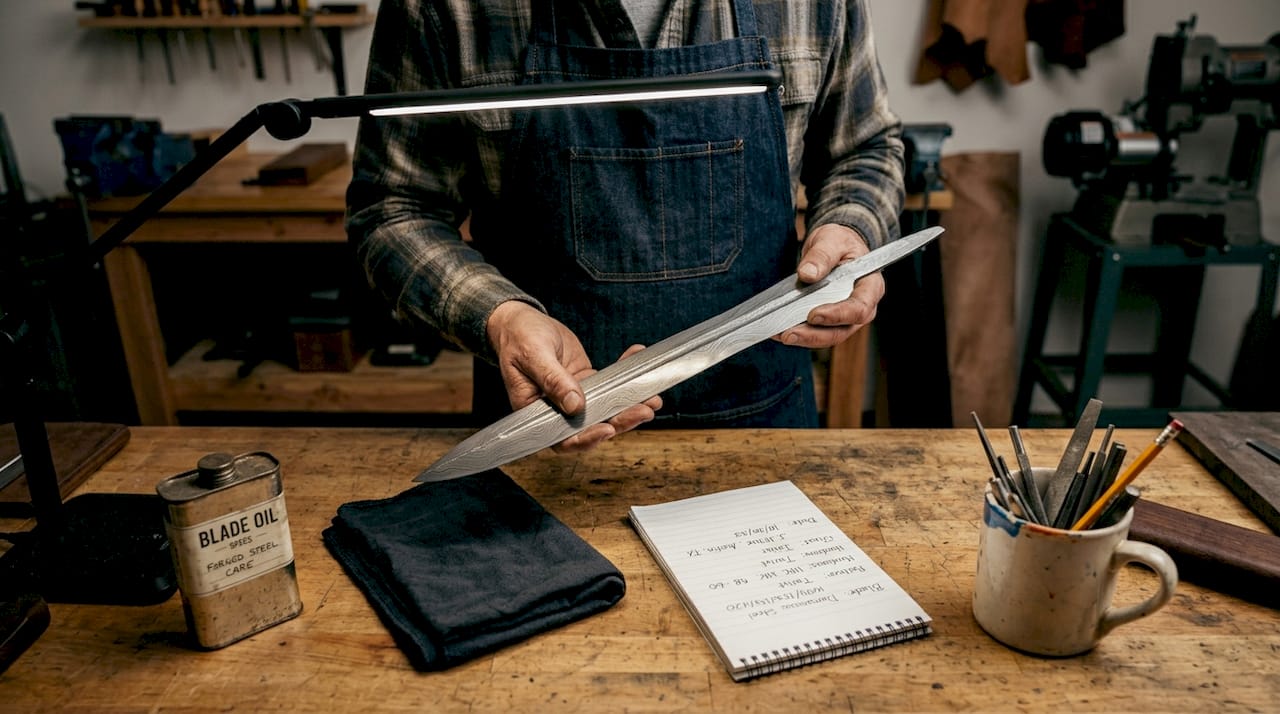
Damascus steel is a different story entirely. Recognized by its distinctive layered, wavy pattern, Damascus steel is created by folding and forge-welding multiple steel types together. The result is a blade with exceptional toughness, visual character, and prestige. Historically accurate options in Damascus steel are among the most sought-after pieces for serious collectors because they combine beauty with genuine metallurgical craft.
| Material | Durability | Maintenance | Visual appeal | Best use |
|---|---|---|---|---|
| Stainless steel | Moderate | Low | Good | Cosplay, display |
| Damascus steel | High | Moderate | Exceptional | Collection, display |
| High carbon steel | High | Higher | Classic | Reenactment, collection |
Craftsmanship signals quality in ways photos can't always show. Handmade swords carry subtle markers that machine-produced pieces lack: slight variations in the grain pattern, hand-finished edges on the guard, and a weight distribution that feels intentional rather than generic. When reviewing a product listing, look for terms like "hand-forged," "individually crafted," or "handmade finish." Vague descriptions like "quality steel" without specifics are a red flag.
Authenticity cues to look for include:
- Scabbard type and fit: A historically inspired sword should come with a period-appropriate scabbard, whether leather or wood-wrapped. A cheap plastic sheath on an "authentic" piece is a contradiction.
- Engravings and crossguard details: Genuine craftsmanship shows in the fine detail work on the guard and pommel. Machine-stamped decorations look flat compared to hand-finished work.
- Weight and balance point: Historical swords have a deliberate center of gravity. A blade that feels excessively front-heavy or flimsy was likely not designed with accuracy in mind.
Shops known for historically accurate replica swords pay close attention to period specifications, which you can cross-reference with documented records from medieval armament history.
"The scabbard, grip, and pommel are not afterthoughts. They're part of the sword's identity. A collector who ignores them is only buying half a piece." — Experienced blade collector
A safety note worth taking seriously: Even decorative swords carry an edge, and cosplay swords vary widely in sharpness. Always check seller notes for blade sharpness ratings and handling recommendations before purchasing, especially if the sword will be used in public events.
Step-by-step shopping: where to buy, vetting sellers, and navigating listings
Armed with knowledge about authenticity, it's time to look at where and how to actually shop. The online marketplace for medieval swords is active and competitive, which means opportunity and risk exist in equal measure.
How to vet a seller before spending a dollar:
- Check the product catalog depth: Reputable sellers specialize. A store with 500 random products including swords, kitchen gadgets, and phone cases is not a sword specialist. Look for stores with focused, curated selections around blades and weaponry.
- Read verified reviews carefully: Don't just count stars. Read what buyers say about packaging, accuracy of descriptions, and blade quality on arrival. Recurring complaints about poor quality or misrepresentation are serious warning signs.
- Look for clear material descriptions: A trustworthy seller specifies the steel type, blade length, overall length, weight, and what's included (scabbard, stand, certificate). Vague listings invite disappointment.
- Check return and exchange policies: A seller confident in their product quality offers a reasonable return window. No-return policies on high-value swords should give you pause.
- Search for historical or craft focus: Sellers who demonstrate genuine knowledge, whether through detailed product descriptions, historical context, or craftsmanship notes, are more likely to deliver what they promise.
Pro Tip: Before committing to a purchase, search the seller's name alongside terms like "review" or "collector feedback" in forums and communities. Sword enthusiast forums are brutally honest and incredibly useful for vetting unfamiliar stores.
Navigating online listings like a pro:
When reading a product listing, treat the description like a technical document. Every measurement matters. Blade length and overall length are different numbers and both are important for display space planning. Weight tells you whether the sword is built for display (lighter) or durability (heavier). Material specifics tell you what you're actually paying for.
Look at listings for products like fantasy cosplay swords and notice how detailed descriptions distinguish quality sellers from generic ones. The best listings include photos from multiple angles, close-ups of the handle and guard, and honest notes about intended use.
Common buying mistakes to avoid:
- Purchasing based solely on price: Extremely cheap "Damascus" swords are almost always pattern-printed stainless steel, not genuine Damascus. Real Damascus steel requires skilled labor and commands a fair price.
- Ignoring accessories: A sword without a proper scabbard loses display value. Check what's included, not just the blade itself.
- Overlooking size specifications: A sword that looks great in a photo can easily be the wrong scale for your collection or costume. Always check the numbers.
- Skipping the seller research step: Rushing past seller vetting to snag a "deal" is the most common path to buyer's remorse. Products like historical daggers from established specialty stores are worth slightly more than an equivalent piece from an unverified source.
Verification and after purchase: inspecting, displaying, and caring for your sword
After purchasing, the next step is making sure your sword meets expectations and stays pristine. Many collectors skip this phase, and it's a costly oversight.
Your inspection checklist when the sword arrives:
- Blade integrity: Check for any warping, pitting, or discoloration that wasn't visible in photos. Minor surface variations in Damascus steel are normal and beautiful. Warps or chips are not.
- Fit and finish: The guard, grip, and pommel should fit snugly with no wobble. A loose pommel is a craftsmanship defect, not a quirk.
- Scabbard condition: The scabbard should slide the blade smoothly without forcing. A tight or scratching fit can damage the finish over time.
- Edge sharpness: Know what you ordered. If you requested a display piece, it should have a rolled edge. If you ordered a sharp piece, test carefully and safely.
- Weight and balance check: Hold the sword and feel where the balance point falls. It should match the description.
Safe display techniques:
Sword display is part of the collecting experience. Wall-mounted displays, horizontal rack stands, and vertical floor stands each offer different aesthetic options. Keep blades away from direct sunlight, which accelerates oxidation on carbon steel and can fade decorative finishes. A historical sword display benefits enormously from a simple display stand that keeps the scabbard visible alongside the blade.
"Displaying a sword well is showing respect for the craftsman who made it. Don't stuff it in a closet." — Veteran collector
Long-term care basics:
- Wipe blades with a lightly oiled cloth after handling to prevent fingerprint corrosion. Skin oils accelerate rust on exposed steel.
- Store in low humidity: Moisture is a sword's worst enemy. A display case with silica gel packets helps control ambient moisture.
- Inspect regularly: A quick monthly check catches minor rust spots before they become serious problems.
- Never use abrasive cleaners: Fine steel wool (0000 grade) and proper blade oil are the tools for light maintenance. Abrasive cleaners scratch and damage surface treatments.
Why seasoned collectors avoid shortcuts and the hidden value of research
Here's an opinion most buying guides won't give you: the research phase is not just preparation. It's part of the experience, and skipping it costs you more than money.
Rushed buyers consistently report the same pattern. They see an appealing listing, make a quick decision, and receive a sword that technically matches the photos but fails to connect with them emotionally. Collecting isn't just about accumulating objects. It's about building a relationship with history, craftsmanship, and artistry. When you rush that process, you end up with a blade that sits on the shelf without meaning anything to you.
Seasoned collectors talk about this openly. The hours spent doing deep research on sword types, cross-referencing historical records, reading collector forums, and comparing seller credibility are not wasted time. They're the reason the finished piece feels earned. When you finally hold a sword you've researched thoroughly, you already know its story, its period, the tradition behind its design, and the craft required to produce it. That knowledge transforms a decorative object into something genuinely meaningful.
There's also a practical argument here. Collectors who research deeply buy fewer swords but keep every one of them. Collectors who shop impulsively build cluttered, inconsistent collections full of pieces they're not proud of. The difference in long-term cost is significant. Fewer, better purchases always beat a pile of mediocre ones.
The uncomfortable truth about the collectible sword market is that it rewards patience and punishes impatience. The best pieces from the most reputable sellers aren't discovered in five minutes of browsing. They're found by collectors who already know what they're looking for, understand why it matters, and can recognize quality on sight. That capability is built through time spent learning, not through scrolling.
Find your next medieval treasure at Top Swords
Ready to begin or expand your collection? Here's where to look first.
Top Swords offers one of the most focused selections of handcrafted medieval swords available online, with options spanning historical replicas, Damascus steel masterpieces, fantasy cosplay pieces, and finely crafted daggers. Every piece is built with the kind of detail and material integrity this guide covers, from clearly documented steel types to scabbards that are actually worth showing off.
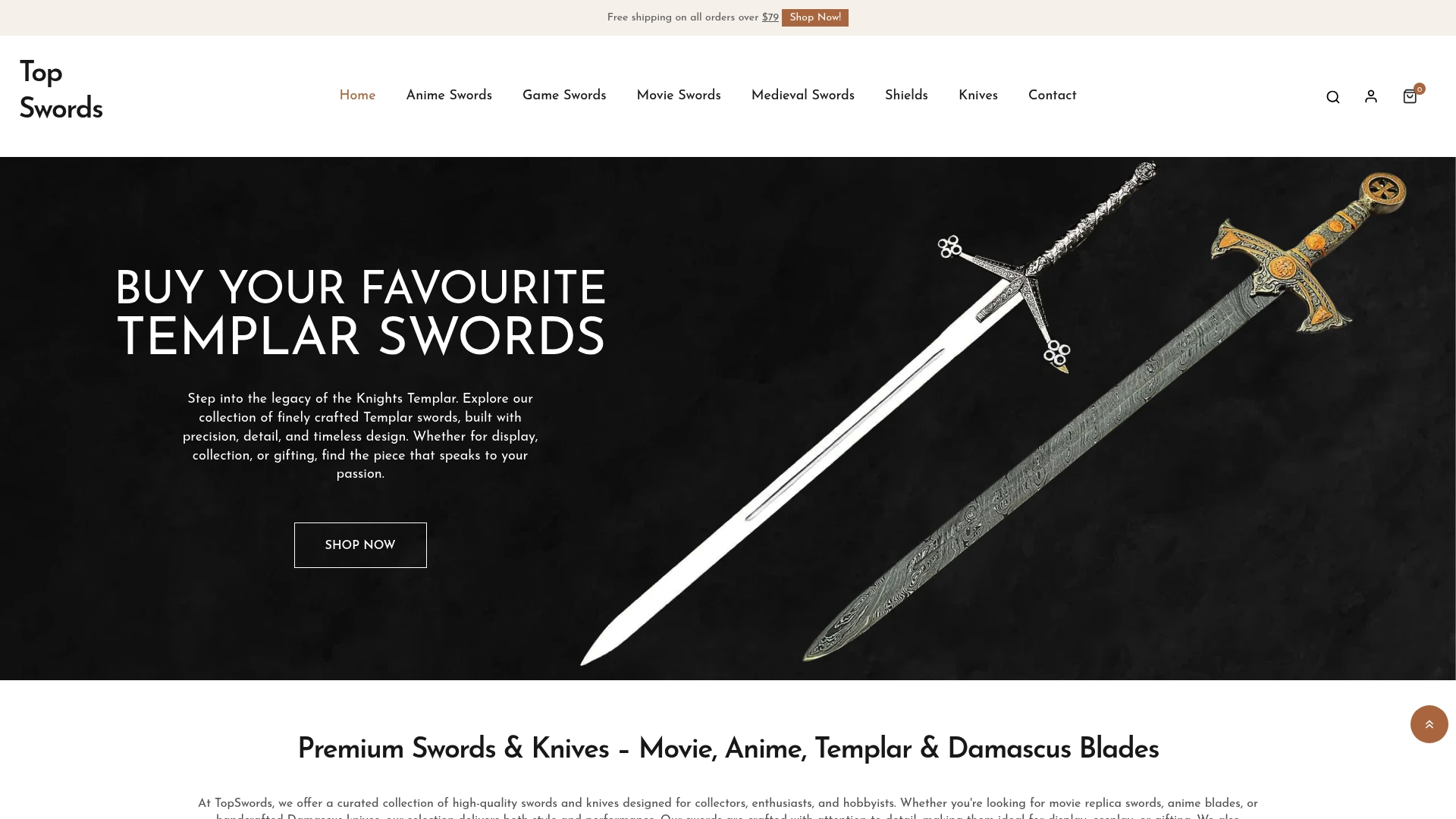
Whether you're shopping for a display centerpiece, a cosplay sword that will hold up through convention season, or a meaningful gift for a serious enthusiast, the medieval sword collection at Top Swords is organized for easy navigation, with detailed descriptions, honest specifications, and the craftsmanship focus that separates specialty retailers from generic marketplaces. Customization options including engraving make every purchase more personal. Start with what you know you want and let the quality do the rest.
Frequently asked questions
What are the most popular types of medieval swords for collectors?
The most sought after include longswords, short swords, daggers, and historically inspired fantasy replicas, each suited to different collecting goals and display preferences.
How can I tell if a sword is historically accurate?
Look closely at materials, craftsmanship quality, engravings, and scabbard design, then compare specs to historical references; authentic replicas will document their period inspiration clearly.
Should I prioritize material or craftsmanship?
Both are equally important because Damascus steel with handmade construction gives you authenticity and lasting value that neither element delivers alone.
Are medieval swords safe for cosplay and display?
Most collectible swords are designed for safe display and cosplay, but always check the seller's notes for blade sharpness ratings; stainless steel cosplay swords typically include specific handling guidance for event use.